Beauty Gifting Needs Better Merchandising Than a Christmas Collection

Many beauty brands launch Christmas by creating one large gifting collection, adding festive photography and moving gift sets to the top of the homepage, but that still leaves the customer to work out who each product is for, whether it represents good value and which option is safest when they are buying for somebody else.
Gift buyers behave differently from regular beauty customers because they may not understand the category, shade, routine or recipient well enough to browse by product type. A customer buying their own skincare can compare ingredients and concerns, while somebody buying for a relative may only know that they like premium skincare and the budget is around £40. If the site is organised only around the internal catalogue, that customer has to translate their need into the brand's language before they can begin.
The gifting journey should therefore be merchandised around the decisions people are actually making. Useful routes include gifts under a clear price point, gifts for beginners, safe shade options, stocking fillers, complete routines and gifts for a particular concern or interest. The labels need to be specific enough to reduce uncertainty rather than relying on broad categories such as gifts for her.
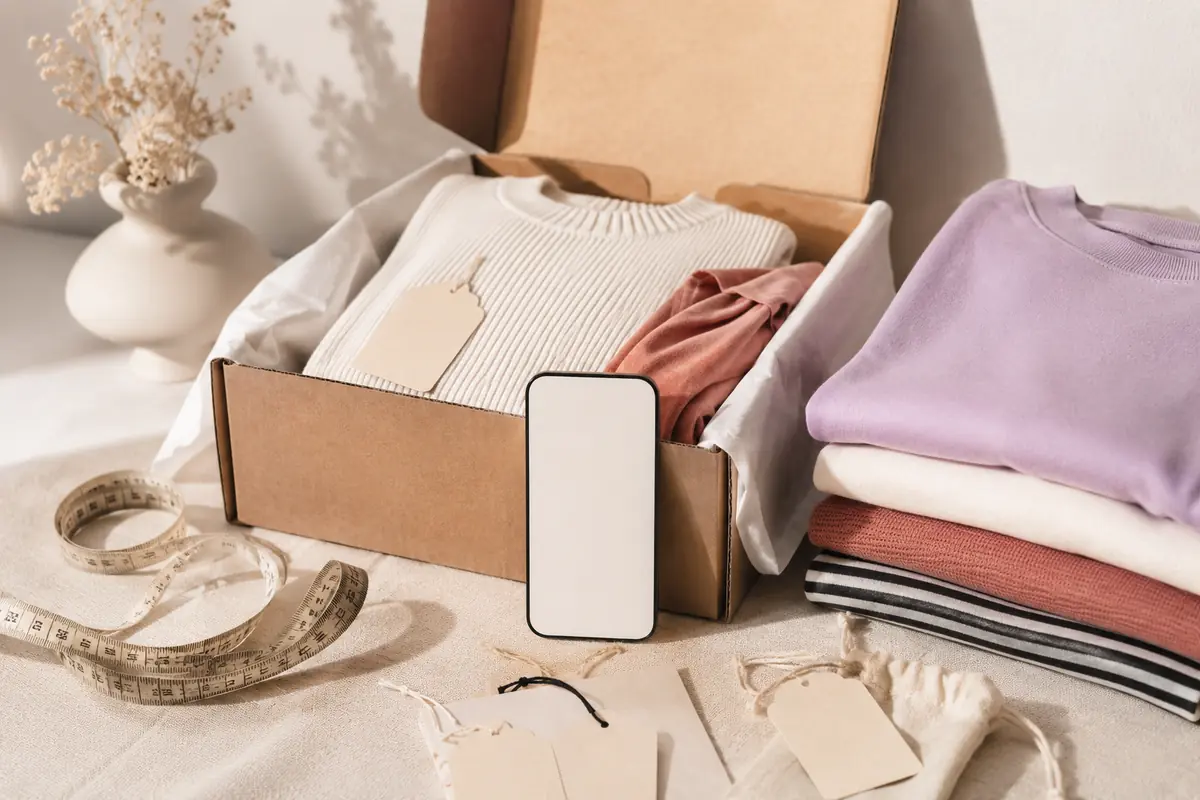
The product page also needs to explain the value properly. List what is included, the normal selling value where that comparison is genuine, the saving, the size of each product and whether anything is full size or travel size. If a shade choice is required, make that obvious before the customer adds the set to basket. If the packaging is gift-ready, show it. If it arrives in a standard delivery box, do not let campaign photography imply otherwise.
Bundles should be built around a clear recipient or result rather than leftover stock. A set becomes easier to buy when the customer can understand the logic immediately, such as a complete brow routine for a beginner or a hair repair set for somebody who uses heat regularly. Adding three unrelated products to a box may create a higher price point, but it does not automatically create a better gift.
Stock planning matters because one unavailable component can remove an entire set from sale. Decide whether the bundle uses dedicated inventory, virtual stock or pre-packed units, then make sure the website, warehouse and trading team are working from the same position. Substitutions should not be improvised after orders have been placed.
Gifting should be measured separately from normal product sales because the customer, basket and likely repeat behaviour may be different. Track collection conversion, gift set attachment, average order value, use of gift messages, delivery issues and what happens after Christmas. A gift recipient who likes the product may become a new customer, but only if the packaging and follow-up give them a sensible route back to the brand.
September is the right time to build this because gifting content, stock rules and landing pages need testing before demand arrives. Waiting until November normally means the collection reflects what was easiest to launch rather than what was easiest for the customer to buy.
A Christmas collection is a place to put products. Gifting merchandising is the work that helps somebody choose confidently when they are buying outside their own knowledge, and that is what turns seasonal traffic into orders.

Olivia Robinson
After arriving at a fork in the road in my career I decided to take the plunge and wander purposefully, with determination, into the maelstrom of consultancy in online sales. It's been the most exciting decision I've ever made and I've been able to work with some of the most interesting brands the UK has to offer. I specialise in the intersection of ecommerce and marketing, the part of the Venn diagram that eCommerce & Marketing people don't like to occupy because it takes a lot of plate spinning - this is where I thrive.
We will happily conduct a free, no-obligation audit on your digital channels, with several key takeaways you can action yourself or request for us to assist you with. It's completey free for now but it is a limited time offer.
Explore more blogs