Fashion Brands Do Not Have a Returns Problem, They Have an Information Problem
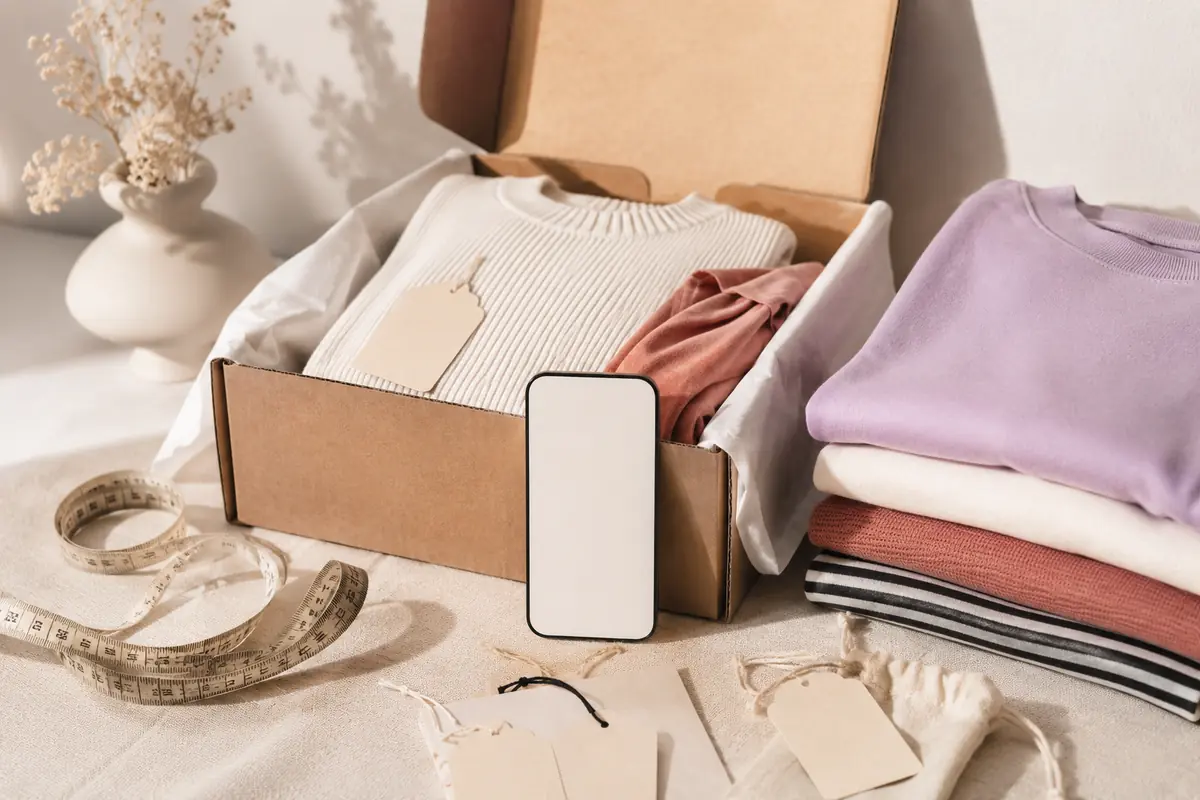
Fashion returns are normally discussed after the order has happened, with attention moving towards processing cost, carrier rates and whether a customer returns too frequently, but a large share of the problem starts much earlier because the customer did not have enough useful information to choose the right size, fit or fabric before placing the order.
A size guide is not enough if it is a generic table attached to every product. Customers want to know how this specific item fits, whether the fabric stretches, where the length falls, whether the cut is generous and what size the model is wearing. If those questions are not answered, they either leave or order more than one size and let the returns department deal with the uncertainty.
The first job is to connect return reasons back to products rather than reviewing one blended return rate. Look for items with repeated comments around fit, colour, fabric, length or quality, then compare those comments with the product page. If customers repeatedly say an item runs small while the page describes it as true to size, the website is actively creating the wrong expectation.
Product photography needs the same scrutiny. A polished studio image can sell the idea of the product while still failing to show what a customer needs to know. Fashion pages should show the front, back, side, movement, fabric texture and important construction details, with enough consistency that two products can be compared. Video is useful when it demonstrates drape and movement, but it should add information rather than repeat the same poses in motion.
Fit guidance should use plain language and product-level evidence. Explain whether the customer should size up or down, show more than one body where practical and include garment measurements for the dimensions that matter. Reviews can help, particularly when customers provide their usual size and fit feedback, but the brand should not rely on reviewers to fill gaps in its own product information.
Returns data should then become part of weekly merchandising. A product generating strong revenue may look like a winner until the return rate, markdown risk and handling cost are included. If one colour is repeatedly returned because it looks different online, fix the imagery. If one size is being ordered alongside another and returned, improve the fit advice. If the product itself is inconsistent, stop sending more traffic towards it while the issue is investigated.
This work becomes more important before peak because gift buyers know less about the person they are buying for and customers are ordering more quickly. Clear extended returns information helps, but it does not remove the need to set accurate expectations at the point of purchase.
I would measure the changes using product-level conversion, size selection, multi-size ordering, return rate and the stated reasons for return. The aim is not to remove returns completely because that is unrealistic in fashion, it is to reduce the avoidable ones without making the product page so cautious that nobody buys.
Treat returns as customer research. Every repeated reason is telling you where the product, photography, sizing or description failed to match the expectation that was created. The cheapest return is the order the customer gets right first time, and the website has a much larger role in that than most brands give it credit for.

Olivia Robinson
After arriving at a fork in the road in my career I decided to take the plunge and wander purposefully, with determination, into the maelstrom of consultancy in online sales. It's been the most exciting decision I've ever made and I've been able to work with some of the most interesting brands the UK has to offer. I specialise in the intersection of ecommerce and marketing, the part of the Venn diagram that eCommerce & Marketing people don't like to occupy because it takes a lot of plate spinning - this is where I thrive.
We will happily conduct a free, no-obligation audit on your digital channels, with several key takeaways you can action yourself or request for us to assist you with. It's completey free for now but it is a limited time offer.
Explore more blogs