The 4 Essential Automated Email Flows Every E-Commerce Brand Should Have
Email marketing remains one of the most valuable channels in e-commerce.
While acquisition channels such as Google Ads, Meta Ads and TikTok Shop often dominate discussions, email is where brands build long-term customer relationships, drive repeat purchases and maximise customer lifetime value.
Unlike paid channels, your email database is an asset you own.
When nurtured correctly, it can become one of the most profitable revenue drivers within your business.
There are dozens of automated email flows e-commerce brands can implement. However, before introducing more advanced automations, we believe there are four core flows that almost every ecommerce business should have in place.
1. Welcome Series
The welcome series is often the first meaningful interaction a customer has with your brand after joining your email list.
First impressions matter.
A well-structured welcome flow should introduce your business, build trust and encourage a first purchase.
Welcome & Introduction
The first email should provide a warm introduction to your brand and explain what subscribers can expect from your communications.
This is your opportunity to:
- Introduce your brand story
- Explain your mission and values
- Set expectations around email frequency
- Build familiarity and trust
Bestsellers & Unique Selling Points
Many subscribers won't know your products particularly well.
Use the next email to showcase:
- Bestselling products
- Customer favourites
- Key differentiators
- Awards and recognitions
- Customer reviews
This helps customers quickly understand why they should choose your brand over competitors.
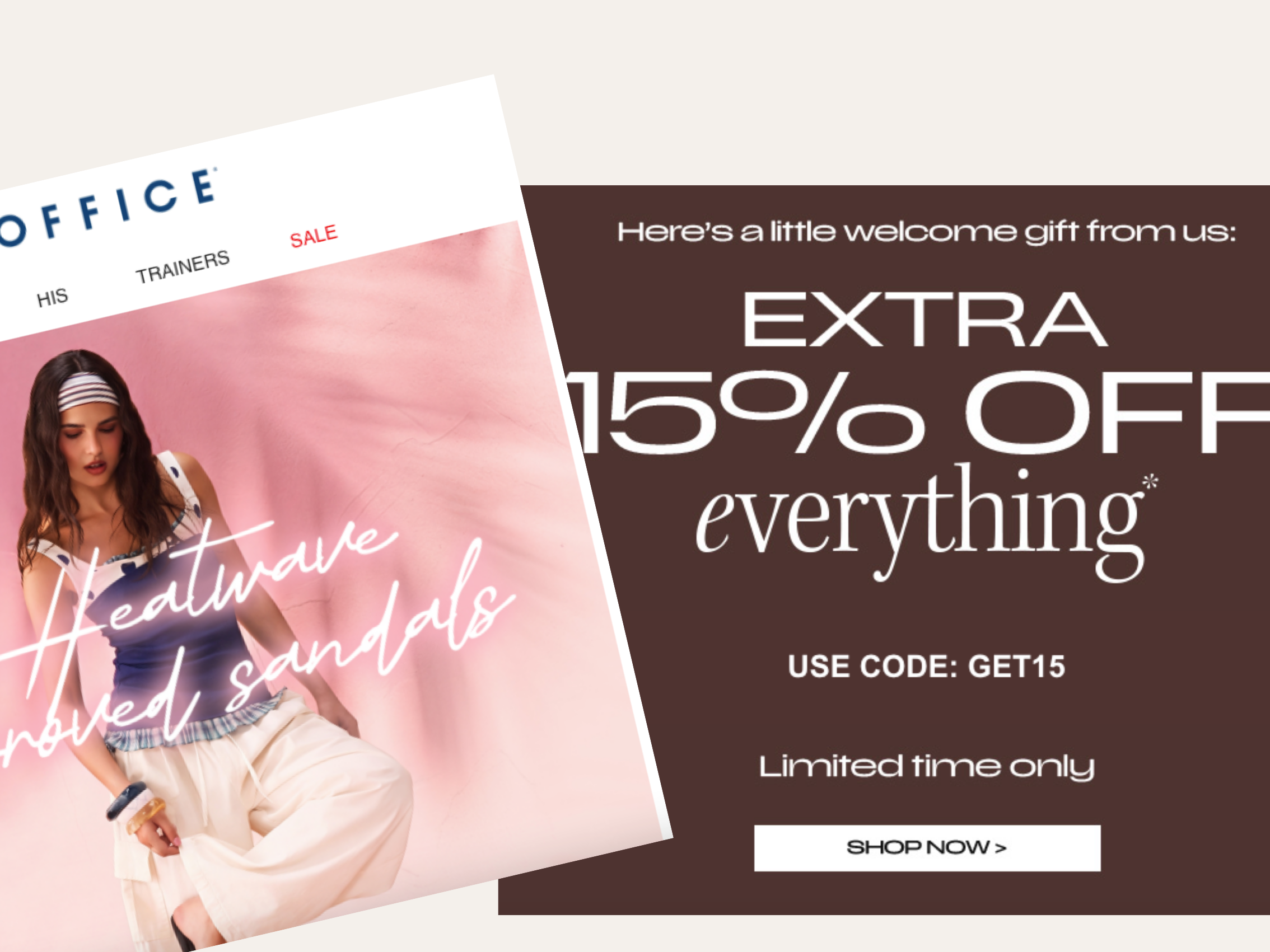
Offer to Encourage Purchase
For many brands, a first-purchase incentive can be highly effective.
This could include:
- Percentage discount
- Free delivery
- Free gift
- Loyalty points
The goal is simple: reduce friction and encourage that crucial first order.
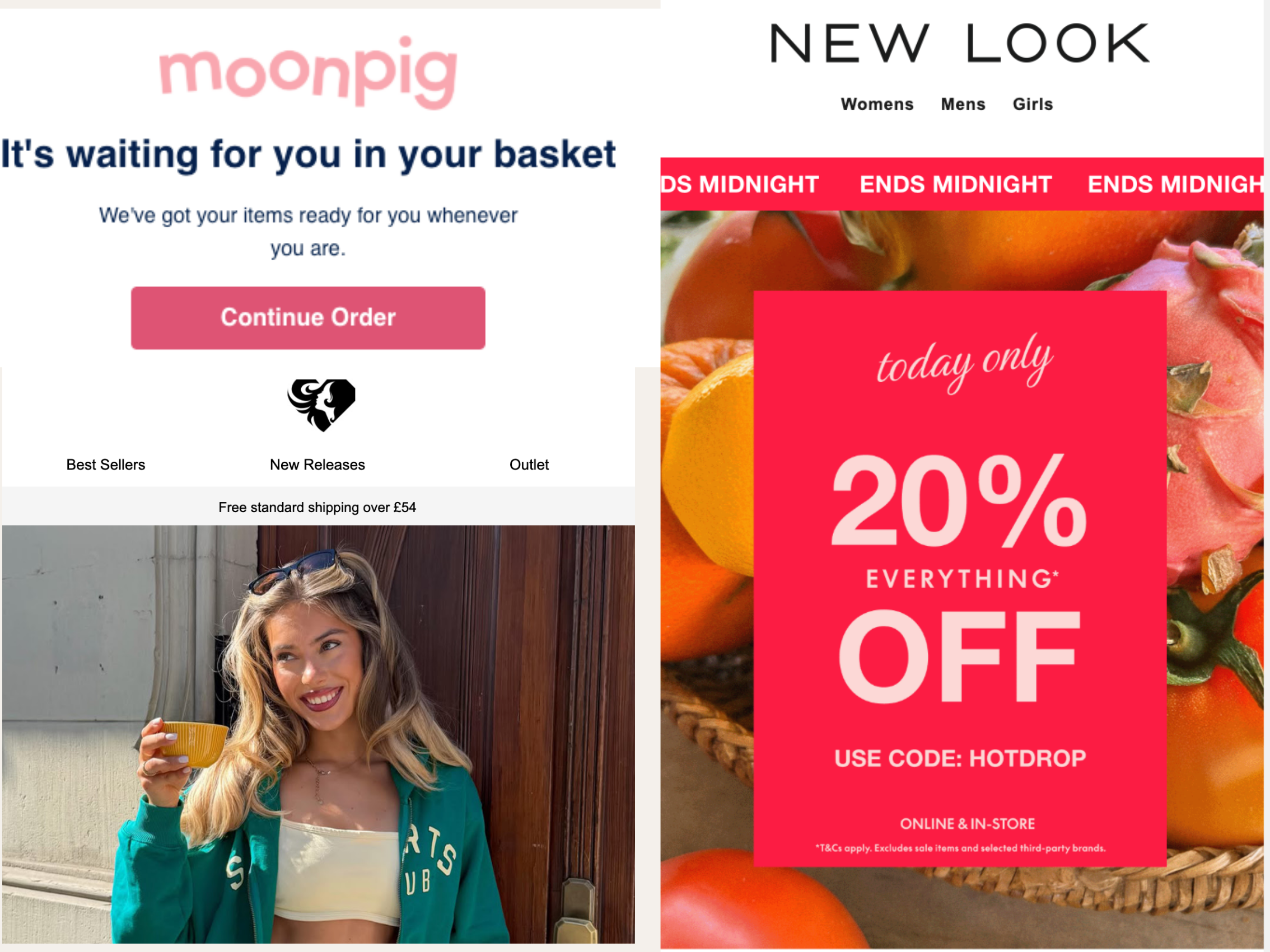
2. Abandoned Cart Recovery Flow
Cart abandonment is inevitable.
However, recovering even a small percentage of abandoned baskets can have a significant impact on revenue.
A strong cart recovery sequence should focus on reassurance, social proof and urgency.
Purchase Reminder
The first email should gently remind customers about the items left behind.
Include:
- Product imagery
- Product names
- Direct checkout links
- Alternative payment options such as Klarna or Clearpay
The objective is to make completing the purchase as easy as possible.
Benefits & Unique Selling Points
The second email should address hesitation.
This is the perfect opportunity to reinforce:
- Customer reviews
- Ratings
- User-generated content
- Product benefits
- Quality and performance
- Guarantees and returns policies
Many customers simply need additional reassurance before purchasing.
Limited-Time Offer or Incentive
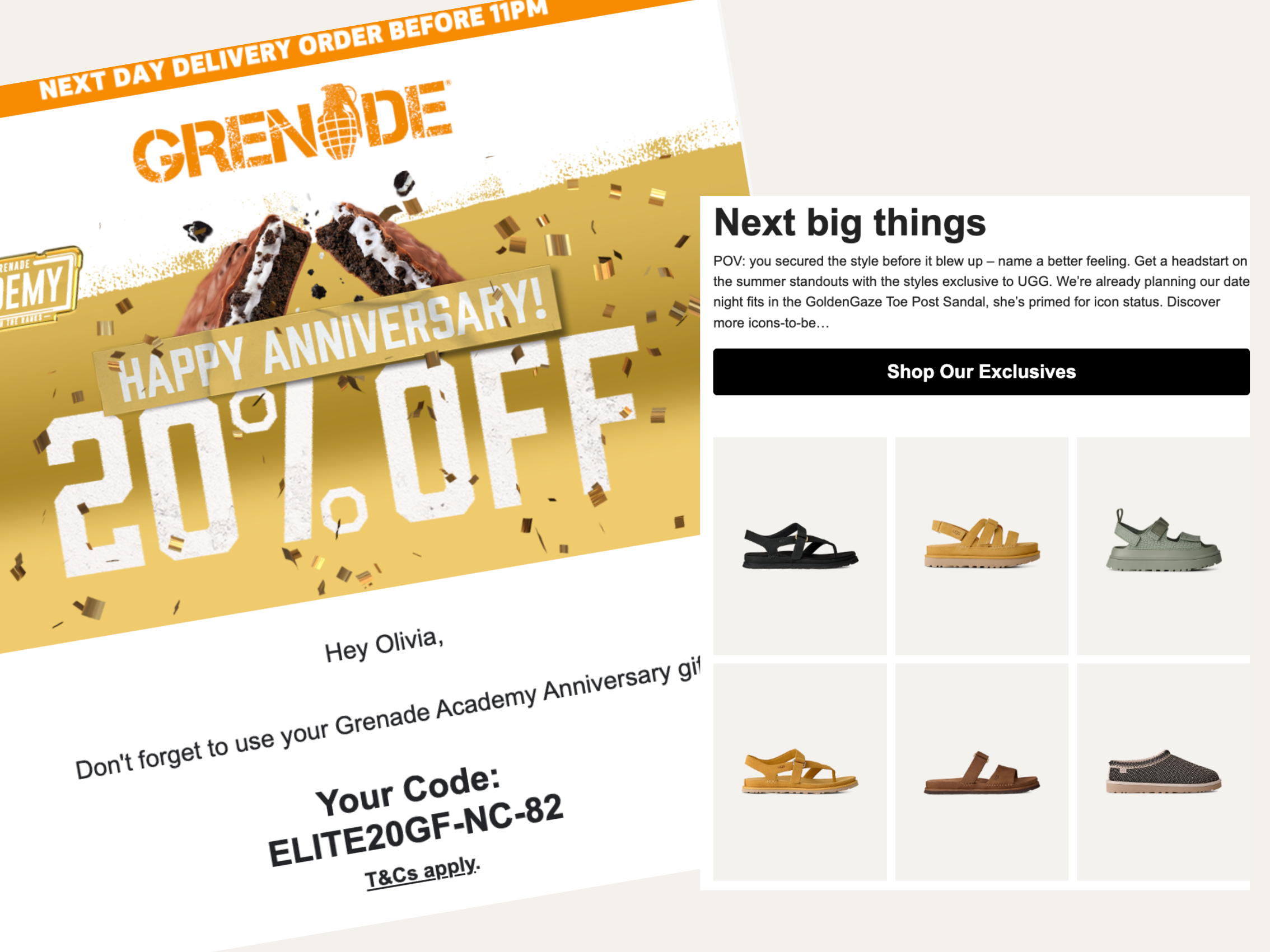
The final email should introduce urgency.
Examples include:
- Limited stock warnings
- Promotional deadlines
- Free delivery offers
- Time-sensitive discounts
Used carefully, urgency can provide the final nudge needed to convert an abandoned basket into a completed purchase.
3. Browse Abandon Recovery
Many visitors browse products without adding anything to their cart.
These visitors have demonstrated interest but may need additional encouragement.
Browse abandonment flows help re-engage these potential customers.
Recently Viewed Products
Show visitors the products they viewed during their session.
Include:
- Product imagery
- Product links
- Pricing
- Availability
Personalisation is particularly effective here because recommendations are based on demonstrated behaviour.
Social Proof & Recommendations
Reinforce trust through:
- Customer reviews
- Product ratings
- Testimonials
- User-generated content
You can also introduce complementary products or alternative recommendations based on browsing behaviour.
Limited-Time Incentives
Where appropriate, introduce incentives such as:
- Free delivery
- Small discounts
- Loyalty rewards
- Bundle savings
- Free gifts
Combined with strong product benefits and social proof, these incentives can significantly improve conversion rates.
4. Post-Purchase Flow
Many brands invest heavily in acquisition but neglect customers after they've purchased.
This is often a mistake.
The post-purchase experience can have a huge impact on customer satisfaction, retention and repeat purchase rates.
Order Confirmation & Expectations
Customers want reassurance immediately after placing an order.
Clearly communicate:
- Order confirmation
- Delivery expectations
- Tracking information
- Customer support options
Reducing uncertainty improves the overall customer experience.
Education & Value Add
Help customers get the most from their purchase.
Examples include:
- Product tutorials
- Care instructions
- Styling guides
- Usage tips
- Frequently asked questions
This improves satisfaction and can reduce returns.
Review Requests
Reviews are one of the most valuable forms of social proof available to e-commerce brands.
Timing is critical.
Request reviews once customers have had enough time to properly experience the product.
Where possible, encourage:
- Written reviews
- Photo reviews
- Video reviews
- User-generated content
Cross-Sell & Product Recommendations
Once a customer has purchased, there may be opportunities to introduce relevant complementary products.
Recommendations should feel helpful rather than promotional.
The most effective cross-sell emails solve additional customer needs.
Repeat Purchase Reminders
For consumable products, replenishment reminders can be highly effective.
Examples include:
- Skincare
- Haircare
- Supplements
- Pet products
- Household goods
Sending reminders at the right moment can significantly increase customer lifetime value.
Build The Foundations First
There are many other automated flows e-commerce brands can implement, including:
- Win-back campaigns
- VIP customer journeys
- Loyalty flows
- Birthday automations
- Category-specific journeys
- Subscription retention programmes
However, before introducing more advanced automation, these four flows should form the foundation of your email marketing strategy.
When implemented correctly, they can increase conversion rates, improve customer retention and generate a significant amount of revenue with very little ongoing management.
For most e-commerce businesses, these aren't optional automations.
They're essential.

Olivia Robinson
After arriving at a fork in the road in my career I decided to take the plunge and wander purposefully, with determination, into the maelstrom of consultancy in online sales. It's been the most exciting decision I've ever made and I've been able to work with some of the most interesting brands the UK has to offer. I specialise in the intersection of ecommerce and marketing, the part of the Venn diagram that eCommerce & Marketing people don't like to occupy because it takes a lot of plate spinning - this is where I thrive.
We will happily conduct a free, no-obligation audit on your digital channels, with several key takeaways you can action yourself or request for us to assist you with. It's completey free for now but it is a limited time offer.
Explore more blogs