Going Viral Is Not a Retention Strategy
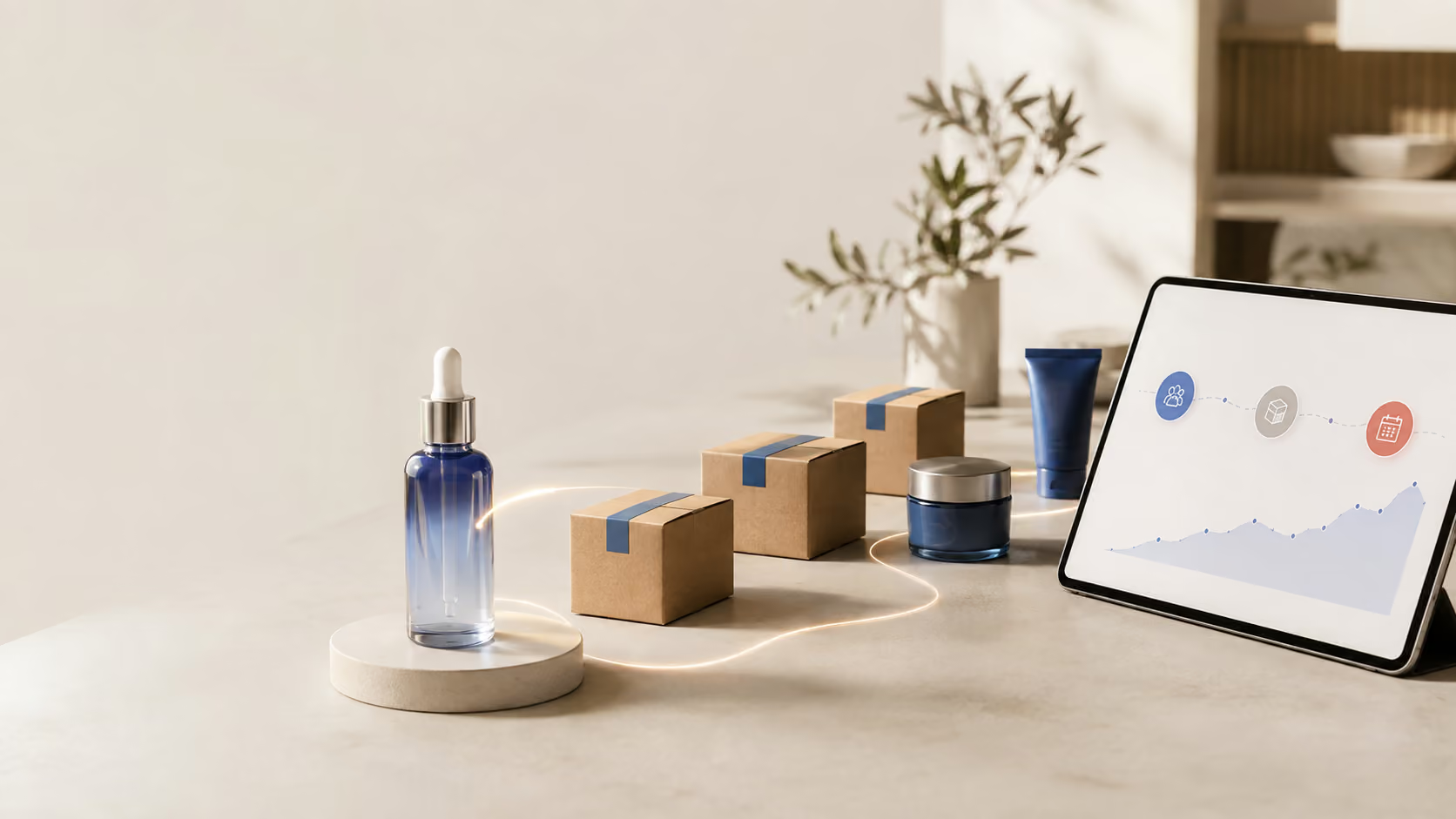
When a beauty product goes viral, the response is normally to keep the spike moving for as long as possible. More samples are sent, creator commission is increased, paid spend goes behind the winning videos and every team focuses on keeping the product in stock, but very few brands stop long enough to ask whether those customers will ever buy anything again.
A viral customer often knows the product rather than the brand. They bought because one video made a strong claim, showed an immediate result or created a sense that the product was about to sell out, which can be a very effective way to acquire the first order but gives the customer no automatic reason to stay once it has arrived.
Virality is acquisition. It is not retention, and treating the spike as proof that a large number of valuable customers have been created can lead to much more money being pushed into a cohort that refunds, disengages or never returns.
The first thing I would protect is the experience around the original order because there is no point spending more to acquire customers who are about to be disappointed. The warehouse needs to handle the volume, delivery promises need to remain realistic, instructions need to be clear and customer service needs to understand the questions created by the videos. If a shade sells out, the substitute or restock journey also needs a decision rather than being improvised once complaints start.
This part is easy to overlook because operational delivery is rarely included in a retention plan, but the first order is the customer’s first proper experience of the business and probably the most important one. An email flow will not recover every customer whose parcel arrived late, damaged or without enough information to use the product properly.
Give the customer a useful next step
Asking someone to join a newsletter is not a reason to stay connected to the brand, particularly when they have already completed the purchase on TikTok Shop and may have had very little exposure to the wider range. A routine guide, shade support, a useful tutorial, replenishment advice or a product-matching tool gives them something connected to the item they bought and creates a much more natural route into the brand’s owned channels where consent allows.
The product and packaging have an important role here because TikTok controls much of the transaction. A simple insert or QR code can take the customer to instructions, usage advice or a routine page, but it needs to offer something useful rather than sending everybody to the homepage or asking for an email address with no clear benefit.
Once the customer is known, the follow-up should reflect the product they bought. Somebody who purchased a brow pencil should not receive exactly the same generic welcome journey as somebody who bought sensitive skincare, because they have different questions, usage patterns and reasons to purchase again.
During the first month I would focus on helping the customer get the result they expected, which might mean explaining the application, dealing with common mistakes, providing advice for the relevant shade or concern, and only then introducing one product that genuinely improves or completes the result. This should not become five consecutive sales emails with different subject lines, and the timing should follow the way the product is used rather than a default automation template.
Skincare may need enough time for the customer to form a view before the next recommendation, colour cosmetics can create a quicker opportunity around application or a complementary product, and haircare replenishment depends on wash frequency, hair length and product size. A standard 30-day reminder is convenient to build, but it is not automatically relevant.
Measure what happens after the viral week
Revenue during the spike tells you how much demand was created, but it does not tell you whether the customers were valuable, so I would build cohorts around the viral product, creator and campaign period, then track refunds, second-order rate, time to second purchase, what customers buy next, contribution margin and revenue after 30, 60 and 90 days.
This can completely change the creator view. One creator may drive a large volume of cheap first orders with a strong discount, while another brings fewer customers but explains the product properly, creates fewer returns and attracts people who later buy the rest of the routine. If reporting stops at first-order GMV, the first creator will always look better even when the second has generated more useful customers.
The retention data should then improve acquisition. If customers who buy two products together are more likely to return, show that routine in creator content. If a common usage mistake creates refunds or poor reviews, address it before purchase. If customers repeatedly move from the viral product into another category, make that route easier to find in the packaging, content and follow-up.
The viral sale is not the end result. It is the first order, and whether the brand turns it into anything more depends on what happens after the video has stopped moving.

Olivia Robinson
After arriving at a fork in the road in my career I decided to take the plunge and wander purposefully, with determination, into the maelstrom of consultancy in online sales. It's been the most exciting decision I've ever made and I've been able to work with some of the most interesting brands the UK has to offer. I specialise in the intersection of ecommerce and marketing, the part of the Venn diagram that eCommerce & Marketing people don't like to occupy because it takes a lot of plate spinning - this is where I thrive.
We will happily conduct a free, no-obligation audit on your digital channels, with several key takeaways you can action yourself or request for us to assist you with. It's completey free for now but it is a limited time offer.
Explore more blogs